Sep 7, 2026
Nano Insulation Board vs Ceramic Fiber Board: A Buyer's Comparison
Thermal conductivity, shrinkage, health and total cost compared side by side, so you can pick the right backup insulation for 1000-1200 C service.
Why the comparison matters
Ceramic fiber board has been the default backup insulation for decades. Nano microporous board costs more per square metre but changes the arithmetic once you count shell temperature, lining thickness and relining intervals. This guide compares the two on the numbers that decide a purchase.
Thermal conductivity
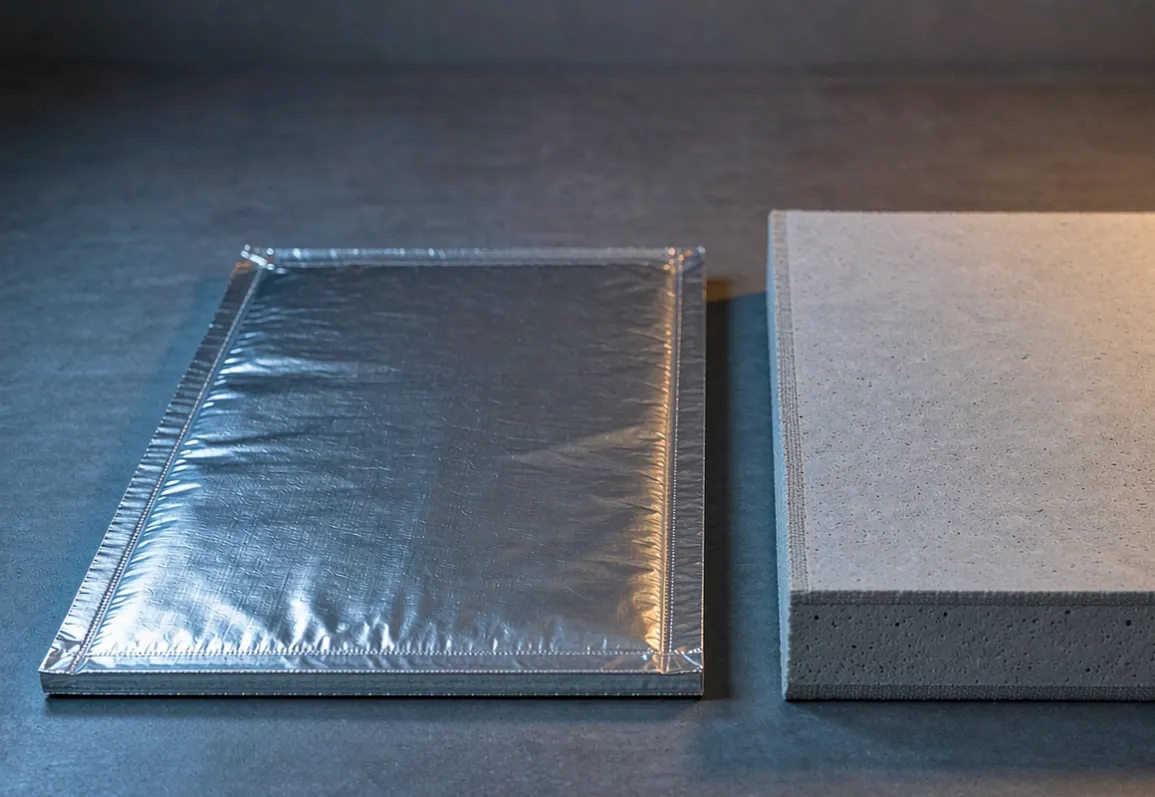
At a 600 C mean temperature a typical ceramic fiber board sits around 0.09 to 0.12 W/mK. A high-strength nano microporous board such as SLM-1000 measures 0.024 W/mK at the same condition. That is roughly a four-fold improvement, which translates directly into either a thinner lining or a much cooler shell.
Comparison table
Property | Ceramic fiber board | SLM-1000 nano board |
|---|---|---|
Thermal conductivity at 600 C | 0.09 to 0.12 W/mK | 0.024 W/mK |
Classification temperature | 1260 C | 1000 C (SLM-1200: 1200 C) |
Bulk density | 280 to 350 kg/m3 | 280 to 320 kg/m3 |
Cold crushing strength | 0.2 to 0.4 MPa | 0.6 MPa or higher |
Linear shrinkage after 24 h | 2 to 4 percent | 2.0 percent or less |
Respirable fibres | Yes, classified irritant | None, fibre free |
Machining and anchors | Poor, crumbles at edges | Clean cutting, accepts anchors |
Strength and handling
Ceramic fiber board compresses under clamping pressure and crumbles when you cut anchor holes, so installers often over-specify thickness to compensate. Nano board holds a 0.6 MPa cold crushing strength, cuts cleanly on a saw and accepts welded anchors, which keeps the designed thickness intact through the whole campaign.
Health and compliance
This is where many European and Middle Eastern buyers now draw the line. Ceramic wool fibres are classified as an irritant and several jurisdictions require documented handling procedures. Nano microporous board contains no respirable crystalline silica and no fibre, which removes the training, PPE and documentation burden from your maintenance team.
Total cost, not unit cost
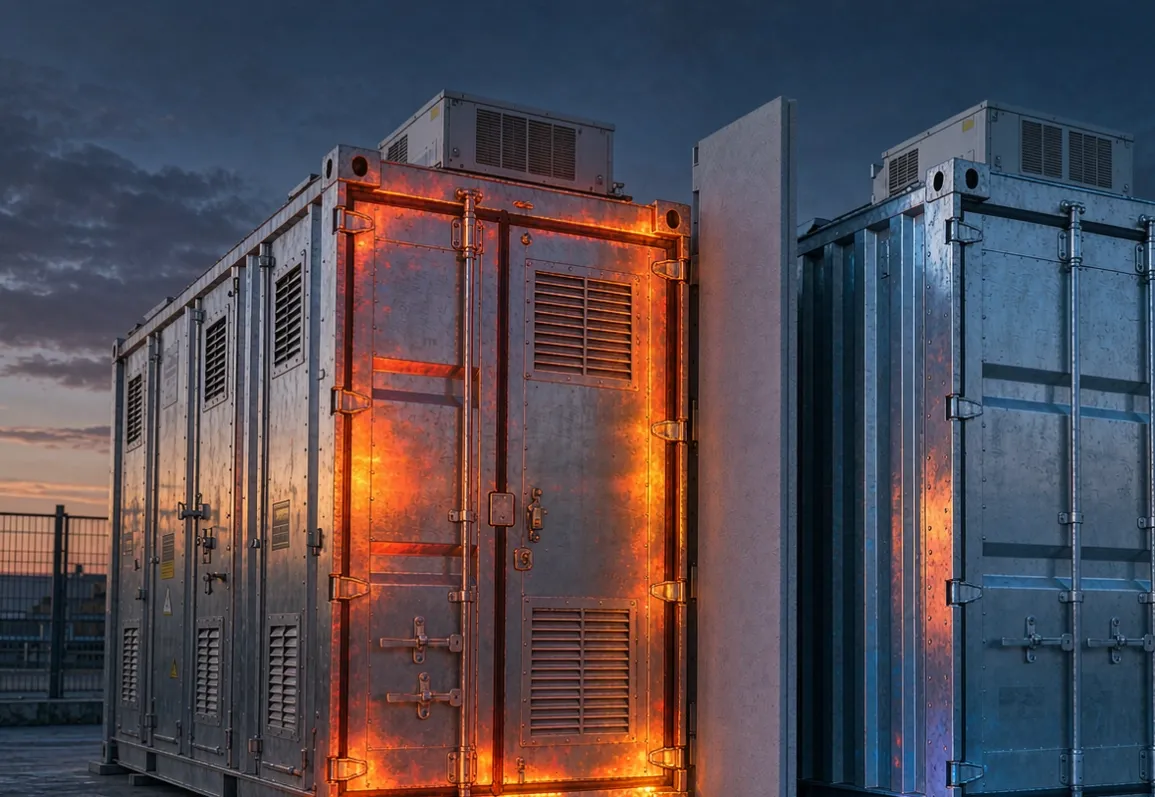
Per square metre nano board is roughly two to three times the price of ceramic fiber board. Per campaign it is frequently cheaper: the thinner lining frees useful vessel volume, the cooler shell cuts energy loss by 30 to 50 percent, and the longer service interval removes one relining from your shutdown calendar. Run the numbers over two campaigns rather than one purchase order.
Where each one still wins
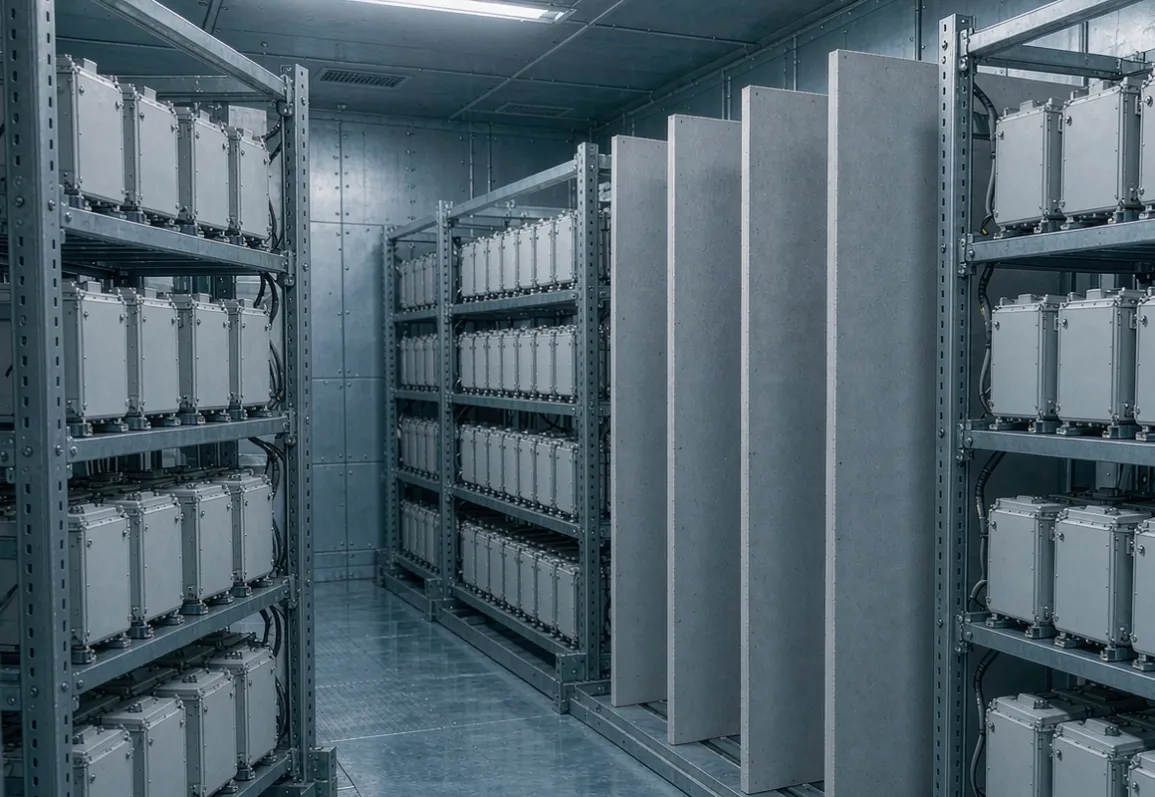
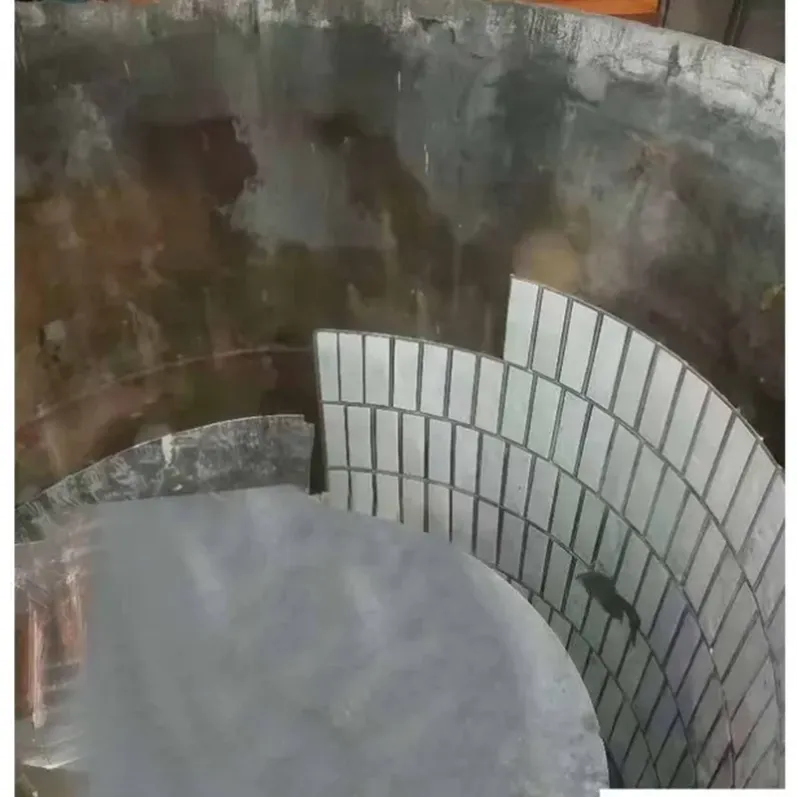
Ceramic fiber board remains a reasonable choice above 1260 C, in low-pressure ductwork, or where the insulation is replaced so often that service life is irrelevant. For ladles, tundishes, kiln cars, cracking furnace walls and any vessel where shell temperature or campaign length is measured, the nano board pays back.
What to send us for a quote
Tell us the maximum service temperature, the available lining thickness, the vessel geometry and the annual consumption. We will size the grade (SLM-1000 or SLM-1200), confirm thickness and return a quote within 24 hours.Probe heading
Probe paragraph
Probe itemProbe heading
Probe paragraph
Probe item