Sep 13, 2026
Why Steel Mills Are Switching to Nano Insulation Boards for Ladle Back-up Lining
EU rules now classify refractory ceramic fiber as a 1B carcinogen, and steel-sector carbon trading puts a price on wasted heat. See the trial data behind the switch to rigid nano insulation boards for
View SLM-1000 specifications1. The regulatory squeeze: ceramic fiber is now a 1B carcinogen
Refractory ceramic fiber (RCF) — the blanket material long used behind working linings — is classified as a Category 1B carcinogen under the EU CLP Regulation (EC) 1272/2008 (H350i: “may cause cancer by inhalation”) and listed as a substance of very high concern (SVHC) under REACH. Industry guidance now treats substitution as the first control measure: where a technically suitable alternative exists, plants are expected to move away from respirable fibrous products, especially during cutting, installation, and demolition when airborne fiber peaks.
That is exactly the risk profile of a flexible blanket. A rigid nano insulation board made from a fumed-silica microporous core is a non-fibrous, bio-inert panel. There is no loose fiber to inhale during handling, and no crystalline-silica drift when the lining is stripped out at end of campaign. For EHS managers facing REACH documentation and worker-exposure limits, that difference is decisive.
2. The energy case: every degree retained is money saved
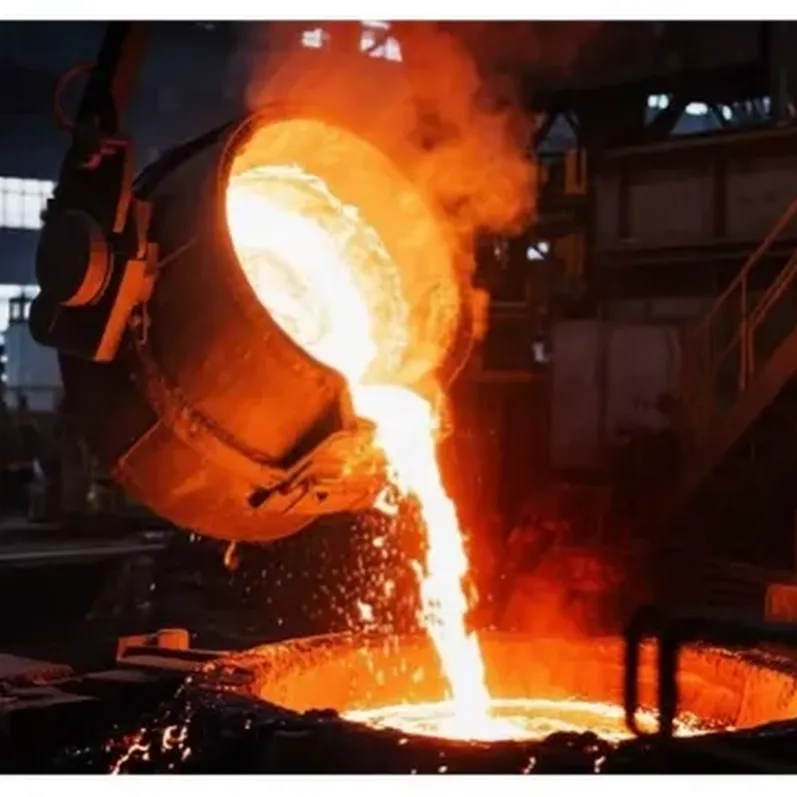
Ladles are not just transport vessels — they are thermal-management units. Heat lost through the lining must be paid for downstream as higher tapping temperature, longer ladle-furnace reheating, or a narrower casting window.
The business case got sharper in 2025, when China’s steel industry entered the national carbon-emissions trading market, adding a carbon cost on top of the energy cost. Under the “ultimate energy efficiency” program, Baowu Baosteel’s Baoshan base cut iron-to-steel interface temperature drop by 30 °C, saving about 9,580 tonnes of standard coal and 25,500 tonnes of CO₂ per year.
The same physics applies inside the ladle. Two recent industrial references quantify the gain from a high-performance back-up insulation layer:
RHI Magnesita + Morgan Advanced Materials validated an Advanced Insulation System in real steelmaking trials: ladle-furnace electrical energy fell 7–8% per tonne of liquid steel, and steel-shell temperature dropped about 11% versus a conventional lining — with no measurable increase in refractory wear.
An operational study cited by Beta Pramesti shows insulated linings cutting reheat energy by 8.1–14.7 MWh per heat; at a 2 Mt/yr Eastern European mill that meant roughly €250,000/year saved with payback under three months, plus about 10 °C higher steel arrival temperature at the ladle furnace.
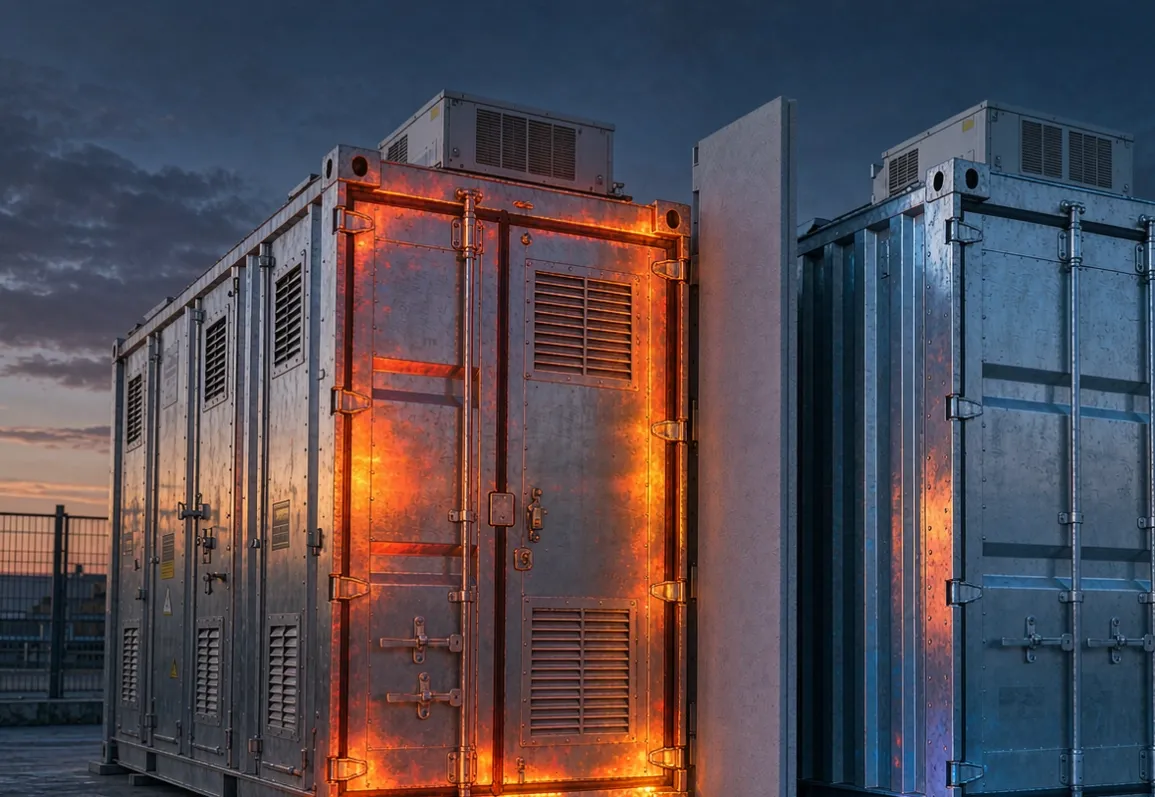
Keeping the shell cooler also protects the vessel: most ladle shells are designed for a ~280–300 °C maximum. A low-conductivity back-up layer holds the shell below that limit, reducing red-hot-shell risk and extending campaign life.
3. Why nano (microporous) boards beat traditional back-up
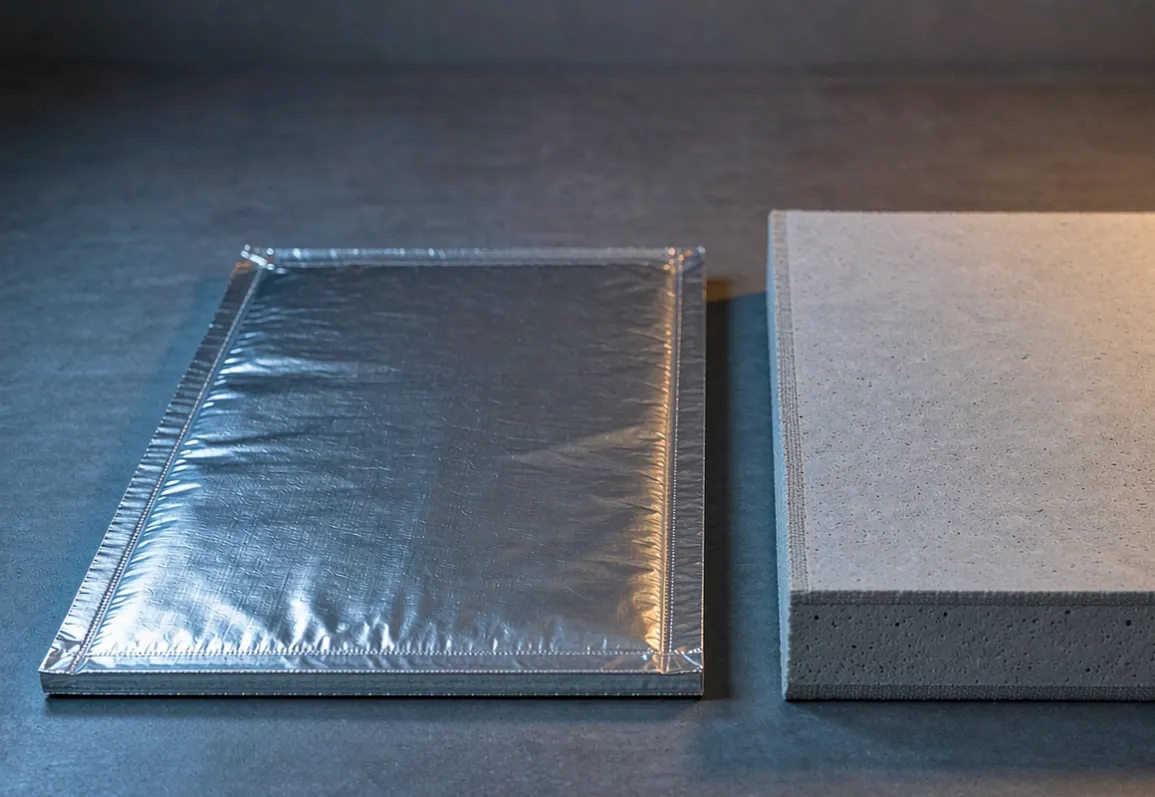
A fumed-silica microporous board delivers thermal conductivity as low as 0.018 W/(m·K) — aerogel-class performance in a rigid, cut-ready panel. Compared with traditional insulating firebrick or calcium-silicate board of the same thickness, it removes far more heat flux; compared with a ceramic-fiber blanket, it does so with no respirable fiber and no settlement over time.
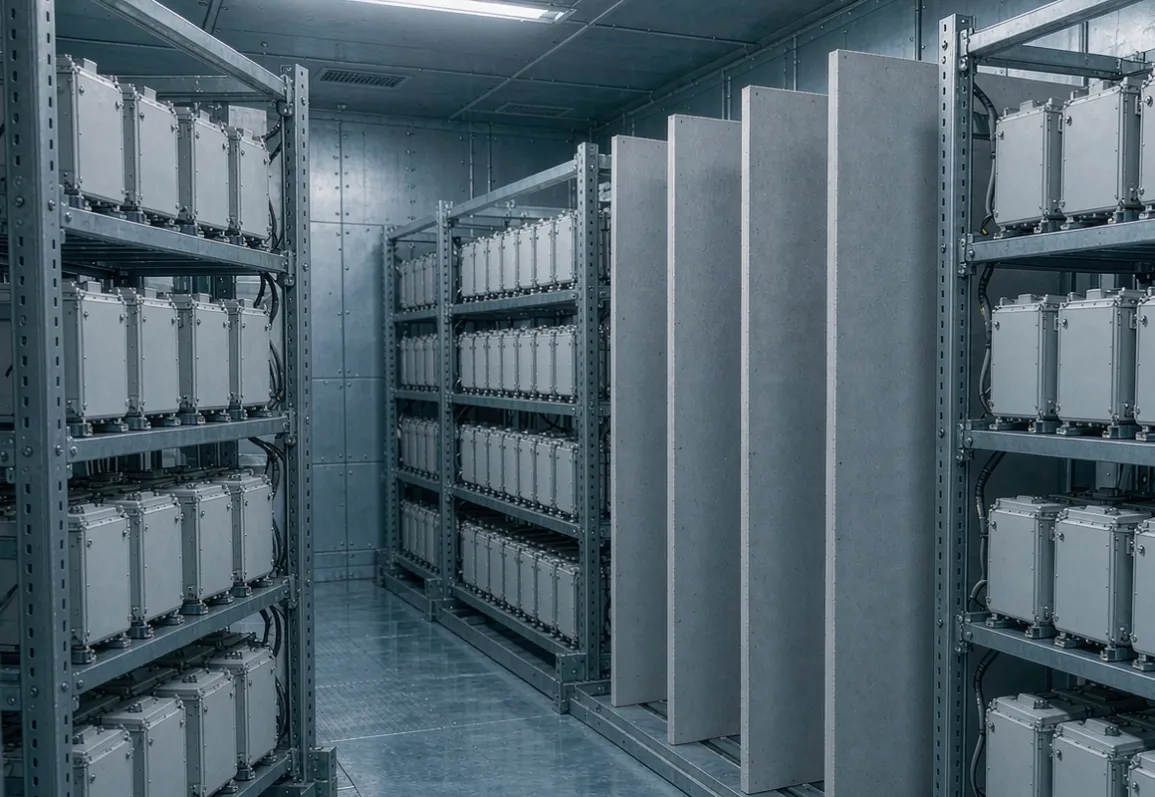
Because the board is thin and rigid, plants gain the insulation benefit without thickening the total lining — so effective ladle volume and throughput are preserved. Precision-formed edges mean installers cut and fit on-site in minutes rather than laminating loose blanket.
4. Market momentum is already here
The shift is not theoretical. The global nano-porous thermal insulation board market was valued at about USD 750 million in 2025 and is projected to reach USD 1,226 million by 2034 (CAGR ~6.3%), with Asia-Pacific taking roughly 40% of demand. Aerogel- and fumed-silica-based boards already account for the large majority of that value. Major refractory suppliers are now co-developing “advanced insulation systems” for ladles and tundishes — confirming microporous back-up as the direction of travel, not a niche experiment.
5. Choosing the right grade for your vessel
The right board is set by service temperature and geometry:
SLM-1000 High-Strength Nano Insulation Board — rated for continuous service to 1000 °C, ideal for many tundish, kiln, and furnace back-up applications. View SLM-1200 specifications
SLM-1200 High-Strength Nano Insulation Board — rated to 1200 °C for the hottest ladle roofs and furnace environments. View SLM-1200 specifications
Every SLM board is made to a controlled density and dimension spec, verified batch by batch, and packed seaworthy for export. Our application engineers spec the right grade, thickness, and layout for your ladle, tundish, kiln, or furnace — and document the batch checks so your plant can meet both EHS and energy-efficiency targets.
Conclusion
Between carcinogen classification of ceramic fiber and the new carbon cost of wasted heat, the economics of the old blanket lining have flipped. A rigid nano insulation board cuts ladle-furnace energy 7–11%, lowers shell temperature, removes the respirable-fiber hazard, and fits without enlarging the lining. If your plant is reviewing back-up lining specs for 2026, that is the comparison worth running.
Talk to SLM: send your vessel geometry and service temperature to sales@slmthermal.com, and we will return a graded recommendation with thickness and layout.