Sep 13, 2026
Beyond the Steel Ladle: Seven Places Nano Insulation Boards Cut Heat Loss
Where else microporous nano insulation pays off once the ladle fleet is converted — tundish, torpedo car, reheat and heat-treatment furnaces, hot blast stove, glass tank and coke oven battery, with th
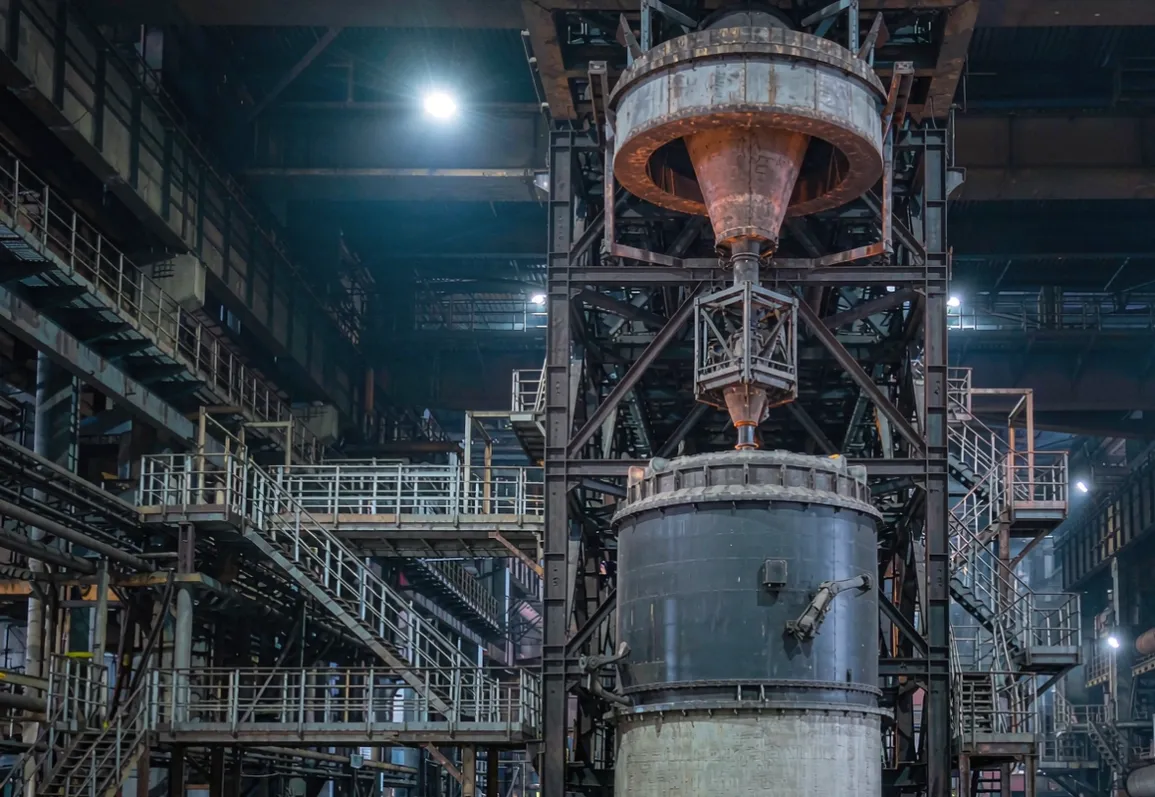
Almost every article written about microporous insulation uses the steel ladle as the example, and with good reason: it is the highest-volume application and the one with the best-documented payback. But the ladle is not where the material's value stops.
Once a plant has high-strength nano insulation boards in its ladle fleet and has seen what a 25 C shell drop does to the energy bill, the next question is always the same: where else can we use this. Below are the seven applications where we see it pay off consistently, with the temperature ranges and the caveats for each.
1. Tundish — the highest-value second application
The tundish is the natural next step because it shares the ladle's operating logic: a steel shell, a working lining, and a strong incentive to hold temperature between heats.
Typical steel temperature: 1520 to 1560 C. Back-up layer behind the working lining, usually 25 to 50 mm.
The gain is mostly temperature retention. A tundish that loses less heat between the ladle and the mould gives more consistent casting temperature and fewer strand interruptions at the start of a sequence.
Cover and impact-pad areas run hotter than the walls. Size the back-up for the hottest region, not the average.
Watch the preheat. Tundishes are preheated hard and fast, and a board that has not been specified for the preheat profile will shrink before the first sequence finishes.
2. Torpedo car and hot-metal ladle
Iron transport is the forgotten application. A torpedo car may hold metal for hours, and every degree lost in transit is paid for twice — once in the iron and again in the steelmaking shop.
Operating temperature: 1300 to 1450 C at the hot face, lower than a steel ladle, which is why a thinner back-up layer often suffices.
The dominant benefit is reduced skull formation. Less heat loss means less frozen metal on the walls, which means less relining labour and more usable volume per trip.
Torpedo cars are long vessels with significant shell flexing in transit. Board joints need to be tighter here than in a static vessel, and the anchor pattern should account for vibration.
3. Reheat and walking-beam furnaces
Reheat furnaces are large, continuously operated, and usually the single biggest energy consumer on a rolling mill site. The saving here is not subtle.
Wall and roof back-up: 50 to 100 mm depending on the existing lining build-up.
Furnace operating temperature: 1200 to 1350 C. Where the zone runs above 1000 C mean, SLM-1200 is the grade to specify; the SLM-1000 vs SLM-1200 comparison guide sets out the boundary.
The practical constraint is space. Reheat furnace walls are often already at their design thickness, so the gain has to come from a thinner working lining rather than an extra layer. Model it before you commit.
Skip zones are the usual hot spots. Insulating past the skip zone without checking the shell temperature there is a common mistake.
4. Heat-treatment and annealing furnaces
Batch annealers and continuous heat-treatment lines run cooler than a reheat furnace, which makes them an easy win: lower temperature means the material is comfortably inside its rating and the payback is driven by fuel rather than by lining life.
Operating range: 650 to 1100 C depending on the cycle.
Typical back-up: 25 to 50 mm.
Benefit: faster ramp to temperature, tighter temperature uniformity across the load, and lower shell temperature in the operator area.
On batch furnaces the cycling is the design driver. A board with good thermal-shock behaviour matters more here than the last few points of conductivity.
5. Hot blast stove
Hot blast stoves cycle between blast and gas heating, and the dome and the upper checkerwork run hot. Insulation behind the shell reduces both the gas consumption and the shell losses on the outside of a very tall vessel.
Dome temperature: 1100 to 1300 C.
Back-up behind the shell: 50 mm is common, more on the dome.
The tall shell means access is expensive. If you are going to insulate a stove, do it during a scheduled reline rather than as a separate scaffolding project.
Thermal cycling between blast and gas phases is severe. Use a grade rated above the peak, not the mean.
6. Glass tank regenerator and melter crown
Glass is a harder sell because the industry is conservative and campaigns are measured in years, but the physics is the same and the energy cost per tonne is high.
Regenerator and melter crown: 1400 to 1550 C on the hot face, so the back-up layer must be graded accordingly.
The usual benefit quoted is fuel reduction of a few percent, which on a large tank is a substantial annual figure.
Crown insulation is a specialist job involving the tank designer. Do not treat the crown as a simple wall.
7. Coke oven battery and by-product plant
Lower temperature than the others, but large areas and continuous operation make it worthwhile.
Typical range: 900 to 1100 C on the heating walls.
Benefit is mostly lower gas consumption on the underfiring system and improved working conditions on the bench.
Access and the oven machinery clearances set the practical thickness.
Where nano board is the wrong answer
Being honest about the limits saves everyone time. Nano microporous board is a back-up insulation, not a working lining, and it is the wrong choice where:
It would be in direct contact with molten metal or slag. It is not a contact refractory.
There is mechanical abrasion or impact — charging areas, scrap impact zones, runner impact pads.
The atmosphere is reducing with high alkali load over long campaigns. Alkali attack degrades the microstructure; a denser conventional product may last longer even if it insulates less well.
The temperature exceeds the grade rating. A board over its limit shrinks, opens its joints, and stops performing — which is why the grade boundary matters more than the thickness.
How to evaluate a new application
Before asking a supplier for a price, answer these for the vessel in question:
What is the peak and mean temperature at the position where the board would sit?
How much radial space is actually available, and what would you have to give up to get it?
Is the operation continuous, cyclic, or batch? This drives thermal shock more than temperature does.
Where is access easiest — a scheduled reline, or a dedicated shutdown?
What is the energy cost per hour, and what fraction of the vessel's loss is through the area you are insulating?
With those answers the thickness sizing method gives you a defensible number rather than a guess, and the installation and handling rules are the same as for a ladle — the installation guide applies with only minor changes for geometry.
What changes from the ladle playbook
Three practical differences once you move off the ladle:
Geometry. Curved ladle walls are forgiving. Flat furnace walls and long tundish shells are not — joint layout and anchor spacing matter more, and board edges need protecting in transit through tight openings.
Preheat profile. Furnaces and tundishes often preheat faster and harder than a ladle. Confirm the ramp rate against the board's rating.
Verification. On a ladle you read the shell with a thermal camera at the end of a heat. On a furnace you may not get a reading for weeks, so agree the measurement method and the acceptance criterion before the shutdown starts.
When the material arrives, the checks are unchanged — the incoming inspection routine covers dimensions, density and moisture — and if the order is large enough to fill a container, the container loading guide gives you the piece counts to plan against.
Getting a recommendation for your vessel
Send us the vessel type, the peak and mean service temperature, the available space and the operating cycle. We will tell you whether nano board is the right answer at all, and if it is, the grade and thickness we would specify. The anchored ladle back-up assembly page shows the standard anchoring arrangements we ship for each of these applications, and How SLM nano insulation boards are manufactured explains the density and temperature limits behind the grade boundaries above.
— The Suleiman Refractory Engineering Team